

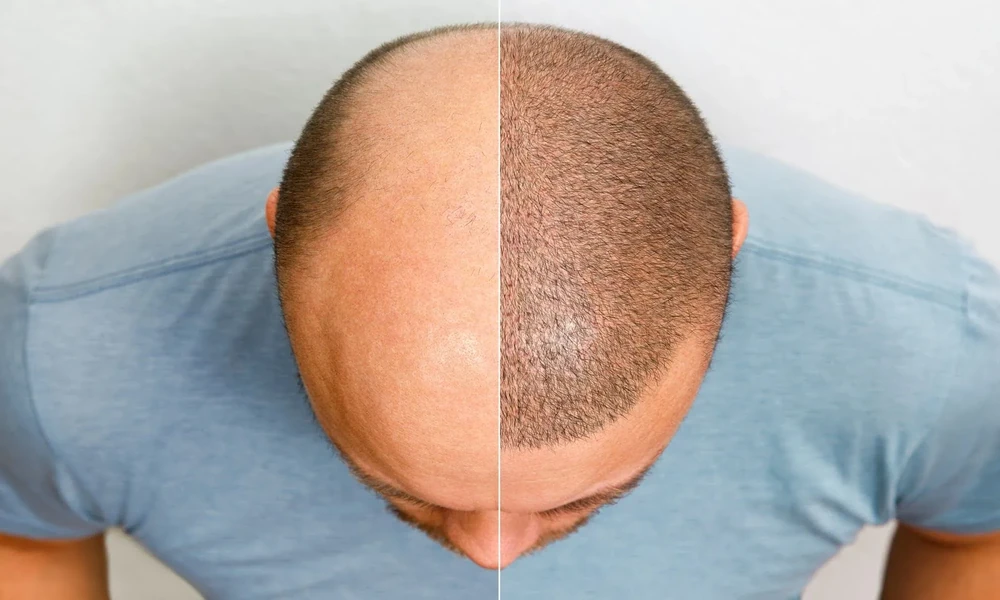
Hair loss patterns often reveal more than visible thinning. A receding front, widening crown, or diffuse reduction suggests different concerns. Before selecting hair transplant options in Singapore, a detailed pattern assessment can clarify suitable treatment directions. It also shows where native follicles remain active. That distinction matters because transplanted grafts must work alongside existing strands. Good planning therefore starts with understanding the scalp’s changing distribution.
Hair Loss Patterns Guide FUE Planning
FUE planning becomes clearer after mapping the affected areas. A receding frontal region needs careful hairline reconstruction. Crown thinning requires a different graft distribution. Diffuse reduction creates another planning challenge altogether. Since each pattern develops differently, graft placement cannot follow one fixed formula. Instead, the existing density guides where follicular units should go.
A clinician may also examine changes across several scalp zones. This reveals whether thinning remains concentrated or continues spreading. Such observations help determine the likely restoration area. They can also prevent excessive graft use during one procedure. Preserving donor follicles remains important for possible future needs.
What Does Pattern Stability Tell Clinicians?
Current thinning does not always show the full picture. Previous changes can reveal how quickly density has shifted. Family patterns may also provide useful background information. Together, these details help distinguish established loss from continuing progression.
When active thinning remains noticeable, timing becomes more important. Transplanted follicles may remain secure while nearby native strands weaken. That difference can change the final visual balance. Therefore, assessment considers both existing loss and potential future movement.
Several signs can help build this broader picture:
- Temple recession may continue beyond the current hairline.
- Crown thinning can expand toward surrounding regions.
- Diffuse loss may reduce overall scalp coverage.
- Stable density can support clearer graft planning.
This approach keeps the restoration plan connected to future appearance.
Donor Density Shapes Available Graft Supply
FUE relies on follicles taken from a suitable donor region. The available supply therefore affects the possible coverage. Density matters because harvesting removes individual follicular units from that area. Excessive extraction could reduce its appearance over time.
Hair thickness also changes how coverage looks after placement. Coarser strands can create stronger visual fullness. Finer fibers may need more careful distribution across sparse zones. For this reason, hair transplant options in Singapore require assessment beyond the visible bald area. Donor quality provides an important part of that decision.
The donor region should also remain visually balanced. A procedure should not solve one area while creating noticeable thinning elsewhere. Careful spacing helps maintain a natural appearance after extraction. It also protects available follicles for later planning.
Can Hair Characteristics Alter FUE Decisions?
Hair itself affects how transplanted density appears. Texture, thickness, curl, and colour all influence visual coverage. Two people with identical graft counts may therefore see different density. The reason comes from how individual strands interact across the scalp.
Curly hair can create broader visual coverage through its natural shape. Straight strands may reveal more scalp between individual fibers. Fine hair can require tighter distribution across selected areas. These differences influence both graft numbers and placement patterns.
Clinicians can also consider existing strand direction. Follicles need placement that follows surrounding growth patterns. Sudden directional changes can make restored areas look disconnected. Matching the natural angle creates a smoother visual transition.
Because of these factors, graft counting alone cannot predict appearance. The characteristics surrounding each treatment zone matter just as much.
Why Does Hairline Position Matter So Much?
The frontal hairline establishes the face’s visual frame. Its position therefore needs careful consideration before graft placement. A very low line can consume substantial donor resources. A higher contour may provide greater flexibility as ageing continues.
Natural hairlines also contain small irregularities. Creating a perfectly straight border can look artificial. Slight variation helps the restored edge blend with native growth. Temple angles require similar attention because they influence facial proportions.
Planning may consider several connected details:
- Facial proportions influence the preferred frontal position.
- Temple angles affect the overall contour.
- Irregular edges help mimic natural growth.
- Transitional density softens the reconstructed border.
These choices become more important when existing loss remains active. A suitable design should therefore account for both present and future changes.
A Scalp Map Can Change The Strategy
Hair restoration becomes more precise when loss patterns guide each decision. A receding temple cannot be treated like crown thinning. Likewise, diffuse reduction needs broader consideration than one isolated patch. The important insight lies in donor management. Every harvested follicle represents a limited resource. When that resource is planned against current and future loss, the scalp map becomes more than an assessment tool. It becomes a guide for protecting natural balance.