

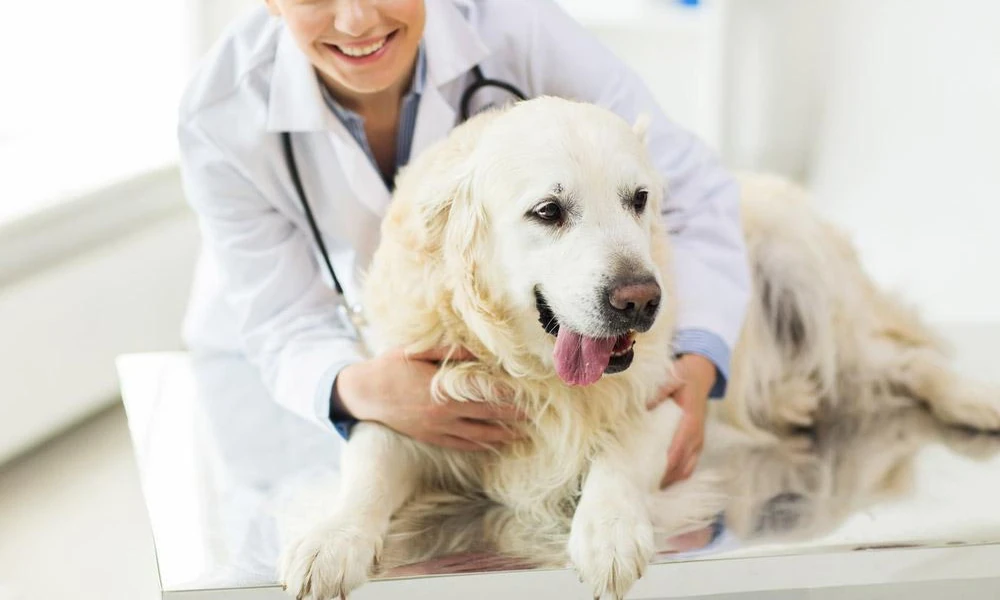
You hear the change before you understand it. Breathing gets louder. Walks get shorter. Your dog pants hard after mild activity, struggles in warm air, or makes a harsh noise that was never there before. When a veterinarian at an animal hospital in Winnipeg mentions laryngeal paralysis and possible surgery, most owners land in the same place at once. Worried, confused, and trying to figure out whether this is urgent, risky, or simply the next step.
How veterinary hospitals evaluate dogs for laryngeal tie back surgery usually comes down to three things. They confirm that the larynx is not opening the way it should, they check whether your dog is healthy enough for anesthesia and recovery, and they weigh whether surgery is likely to improve breathing more than medical management alone. The goal is not to rush your dog into an operation. The goal is to make a careful decision based on airway function, overall health, and daily quality of life.
Veterinary hospitals assess breathing problems before recommending tie back surgery
Laryngeal paralysis happens when the cartilage in the larynx does not open properly during breathing. That narrows the airway and makes it harder for air to move in. Some dogs show mild signs at first. Others spiral fast, especially in heat, stress, or exercise. If your dog seems fine at rest but struggles after a short walk, that pattern matters. Veterinary teams pay close attention to it.
The first part of the evaluation is often the story you tell. When did the noisy breathing start. Has your dog ever turned blue, collapsed, or panicked while trying to breathe. Is coughing present after drinking. Has there been weight loss, weakness, or changes in bark. These details help the hospital judge severity and whether other nerve or muscle problems may be involved.
A physical exam follows, and it does more than confirm loud breathing. The veterinarian checks body condition, heart and lung sounds, temperature, gum color, and signs of stress. Obesity, underlying heart disease, aspiration risk, and heat intolerance all affect the decision. A dog with severe airway distress may need oxygen, sedation, and cooling before a full workup can safely happen.
Definitive diagnosis often requires a sedated airway exam. This allows the veterinarian to watch the arytenoid cartilages and see whether they open during inspiration. If movement is absent or very limited, the case for surgery becomes clearer. The University of Florida describes this process and the laryngeal paralysis surgery evaluation and treatment options used in referral settings.
Pre surgical testing helps determine whether laryngeal tie back is the right fit
Surgery is not judged by the throat alone. A tie back procedure improves airflow by permanently opening one side of the larynx, but that also changes airway protection. Food or water can enter the airway more easily after surgery, which raises the risk of aspiration pneumonia. Veterinary hospitals look for factors that make that risk higher or lower before they recommend surgery.
Bloodwork is common, especially in older dogs. It helps screen liver and kidney function, infection, anemia, and other issues that change anesthesia planning. Chest radiographs may be recommended to look for pneumonia, masses, or heart enlargement. In some dogs, the hospital also considers neurologic signs because laryngeal paralysis can be part of a broader nerve disorder. Cornell explains that this condition may occur along with generalized weakness in some patients, which can shape expectations for outcome and recovery. Their overview of laryngeal paralysis in dogs gives owners a strong baseline for those discussions.
This is often the hardest part for owners, because the answer is not always clean. A dog may clearly have airway obstruction but also have age related disease, poor mobility, or repeated coughing after meals. In that case, the hospital is balancing two truths at once. Breathing may improve with surgery, and recovery may still be more complicated than expected.
Evaluation for canine laryngeal surgery includes risks, benefits, and daily life impact
The decision is rarely based on one bad afternoon. Veterinary hospitals want to know how your dog functions across ordinary days. Can your dog sleep without distress. Can your dog tolerate basic walks. Is summer becoming dangerous. Have there been emergency episodes. Owners sometimes adapt so gradually that they do not realize how limited their dog has become until the veterinarian starts asking direct questions.
Canine laryngeal surgery assessment also includes your home routine. Recovery requires feeding changes, activity restriction, and close monitoring for coughing, fever, or labored breathing. If your dog gulps water, steals food, or becomes frantic when confined, the team may spend more time preparing you for recovery or adjusting the plan. That is not a sign the surgery is wrong. It means the hospital is trying to lower preventable complications.
| Evaluation Area | What the Hospital Looks For | Why It Matters |
|---|---|---|
| Clinical history | Noisy breathing, exercise intolerance, collapse, heat sensitivity, cough after drinking | Shows how severe the airway problem is in real life |
| Physical exam | Respiratory effort, body weight, heart and lung sounds, stress level | Identifies immediate stabilization needs and added risk factors |
| Sedated laryngeal exam | Arytenoid movement during breathing | Confirms diagnosis before surgery |
| Bloodwork and imaging | Organ function, chest changes, pneumonia, other disease | Guides anesthesia safety and surgical planning |
| Home and recovery review | Feeding habits, owner availability, mobility, aspiration risk | Helps predict recovery challenges after the procedure |
Three steps help you prepare for a veterinary hospital consultation
Track your dog’s episodes. Write down when noisy breathing happens, what triggered it, how long it lasted, and whether coughing followed eating or drinking. Short videos from your phone can help more than memory alone, especially if your dog seems normal in the exam room.
Ask for the full risk picture. Do not stop at “Is surgery needed.” Ask what happens without surgery, what aspiration pneumonia looks like, how recovery is managed, and whether your dog has other conditions that change the outlook. A good veterinary hospital will answer plainly and without pressure.
Prepare your home before the procedure. Plan for calm rest, controlled feeding, harness use instead of neck pressure, and fast access to emergency care if breathing or coughing worsens. The smoother the first two weeks are, the easier it is to spot a real problem early.
A careful evaluation gives your dog the best chance at safer breathing
If your dog is being worked up for tie back surgery, you are not overreacting by taking the breathing changes seriously. Airway disease can shift from manageable to dangerous quickly, and a thorough evaluation is how veterinary hospitals sort out who benefits most from surgery and who needs a different path. Clear answers usually come from a mix of exam findings, airway testing, and honest discussion about life after the procedure.
Stay observant, bring specific notes, and move quickly if your dog shows distress in heat or exercise. That kind of preparation helps the veterinary team make a better decision for your dog and for you.