

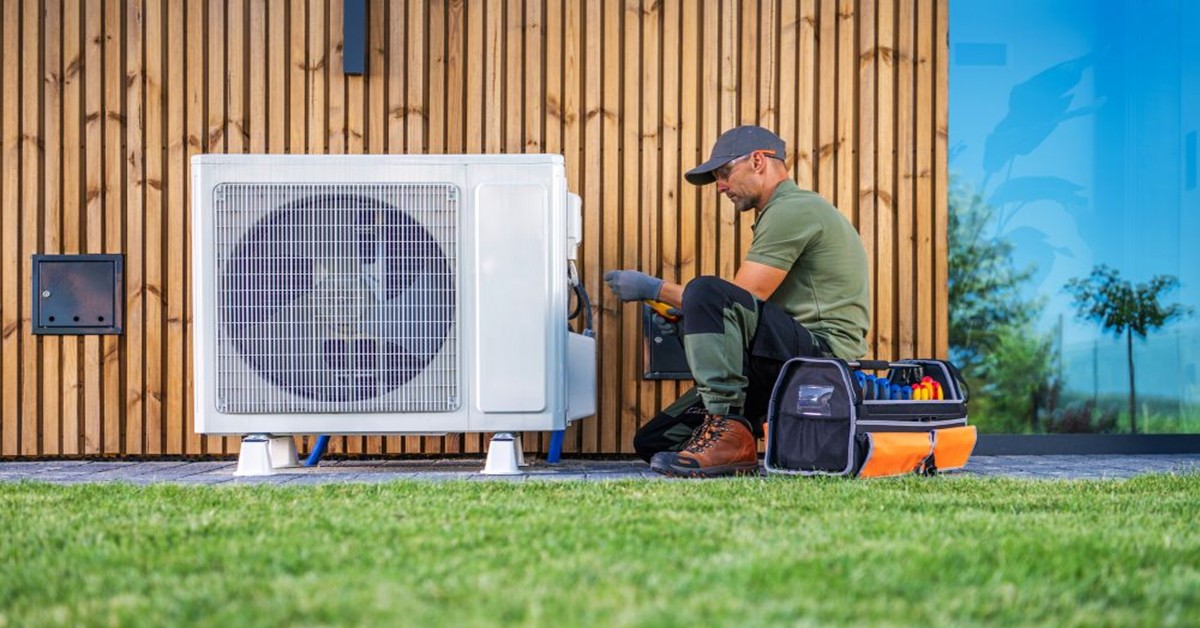
A well-maintained heating and cooling system keeps indoor temperatures steady, helps control energy use, and reduces the chance of unexpected breakdowns during extreme weather. When filters clog, outdoor units become blocked, or basic upkeep is skipped, the equipment works harder than necessary and can wear out sooner than expected.
Simple habits at home, combined with timely professional attention, make a noticeable difference in comfort and system reliability. Homeowners seeking dependable HVAC services in Sun Valley, NV, often benefit from understanding everyday care practices that support equipment performance through hot summers and cold winters.
Why Routine HVAC Care Matters
Heating and cooling systems operate under constant demand in regions with wide temperature swings. Dust, debris, and restricted airflow force components to run longer cycles, which can raise utility costs and increase the likelihood of mid-season failures. Neglecting basic care also affects indoor air quality, as dirty filters allow more particles to circulate through living spaces.
Over time, small issues such as a clogged condensate drain or an obstructed outdoor unit can escalate into larger repairs. Addressing these points early protects the investment in the system and helps maintain consistent comfort year-round.
Essential Do’s for Everyday HVAC Maintenance
Start with the air filter. Check it monthly and replace disposable filters every one to three months, or more often in homes with pets, high dust levels, or occupants who have allergies. A clean filter supports proper airflow, reduces strain on the blower motor, and helps keep indoor air cleaner.
Keep the outdoor condenser unit clear. Maintain at least two feet of open space on all sides and remove leaves, grass clippings, and weeds regularly. Gently rinse the exterior coils with a garden hose on a low setting if dirt builds up, but avoid high-pressure sprays that can bend the fins.
Ensure supply and return vents remain unobstructed by furniture, rugs, or curtains. Restricted vents disrupt balanced airflow and can cause pressure imbalances in the ductwork. Test the thermostat periodically to confirm it responds accurately, and consider programming reasonable temperature setbacks when the house is empty to avoid unnecessary runtime.
Schedule professional inspections before peak seasons-once in spring for cooling equipment and once in fall for heating. Trained technicians can clean coils, check electrical connections, inspect safety controls, and identify developing concerns that are not visible during routine homeowner checks.
Common Don’ts That Can Shorten System Life
Avoid shutting off vents in unused rooms. Modern systems are designed to operate with all vents open; closing them can increase static pressure, reduce efficiency, and stress the blower.
Do not ignore unusual sounds, odors, or performance changes. Grinding, banging, or squealing noises, burning smells, weak airflow, or frequent short cycling often signal mechanical or electrical issues that worsen without attention. Continuing to run the system under these conditions can lead to more extensive damage.
Never attempt refrigerant work, electrical repairs, or gas-related adjustments yourself. These tasks require specialized tools, training, and safety knowledge. Attempting them can create hazards and may void manufacturer warranties.
Do not place landscaping, storage items, or structures too close to the outdoor unit. Restricted airflow around the condenser reduces heat transfer and forces the compressor to work harder. In winter, keep snow and ice clear of heat pump units and exhaust vents on furnaces.
Warning Signs That Signal a Need for Attention
Several indicators suggest the system may need professional evaluation. Warm air from cooling vents, uneven temperatures between rooms, higher-than-usual energy bills without increased usage, water leaks near the indoor unit, or ice forming on refrigerant lines all warrant a closer look. Frequent on-and-off cycling without reaching the set temperature is another common red flag.
In dusty high-desert environments, filters can load faster than expected, so more frequent checks help prevent restricted airflow. Addressing these signs promptly often allows for simpler repairs rather than full component replacement.
When Professional Assessment Is Appropriate
Homeowners can handle filter changes, basic outdoor unit clearing, and visual inspections safely. However, tasks involving refrigerant, electrical components, heat exchangers, or combustion systems should be left to qualified technicians. Professional HVAC services in Sun Valley, NV, become especially useful when systems show persistent performance problems, unusual noises, or safety-related concerns such as gas odors or carbon monoxide detector alerts.
An experienced technician can diagnose root causes, explain options clearly, and recommend maintenance or repairs based on the equipment’s age, condition, and the home’s specific needs. Regular professional tune-ups also help confirm that safety devices and controls are functioning correctly before heavy seasonal use begins.
Long-Term Habits That Support System Reliability
Consistency matters more than occasional intensive effort. Mark calendar reminders for filter checks and seasonal outdoor cleaning. Keep records of service visits and filter change dates so patterns in performance become easier to notice. Ensure the area around the indoor air handler stays clean and free of storage that could block airflow or access.
Consider the impact of household factors such as pets, renovations that generate dust, or nearby construction. Adjusting filter change frequency during these periods helps maintain efficiency. When the system approaches the end of its typical service life or requires repeated repairs, a professional evaluation can help weigh continued maintenance against replacement options based on current performance and comfort goals.
Key Takeaways
Consistent filter changes, clear outdoor units, unobstructed vents, and seasonal professional inspections form the foundation of effective HVAC care. Avoiding common mistakes such as closing vents or ignoring warning signs helps the equipment run more efficiently and last longer.
Homeowners who stay attentive to basic maintenance and seek qualified help when problems arise are better positioned to maintain comfort through seasonal extremes. For those who need support beyond routine homeowner tasks, reliable HVAC services in Sun Valley, NV, can provide the diagnostic insight and service needed to keep systems operating as intended.