

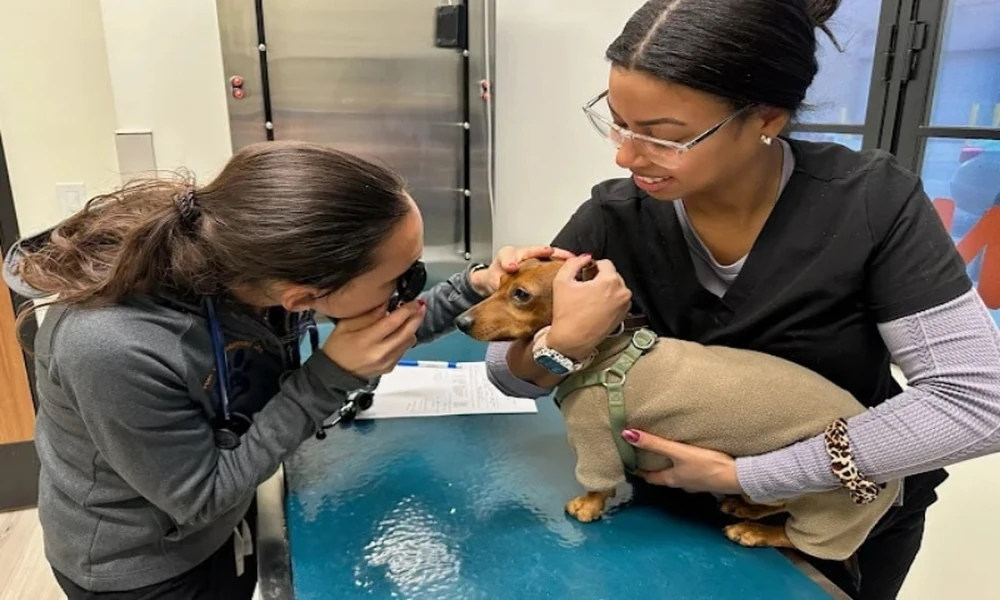
You notice your pet is off, maybe not eating, scratching more than usual, limping, or just acting quiet in a way that makes your stomach drop. Then comes the practical question that catches a lot of people off guard, especially if you rely on a veterinary pharmacy in Ozark. Do you book a wellness exam or a sick visit? The names sound simple, but the difference affects timing, cost, testing, and what your veterinary clinic can actually do during that appointment.
If you have ever felt unsure when calling the front desk, you are not alone. Many pet owners assume all appointments work the same way, then feel frustrated when a vaccine visit turns into a conversation about vomiting, or when a wellness slot is not the right fit for a painful ear infection. The short version is this. Wellness visits focus on prevention and baseline health. Sick visits focus on a specific problem that needs diagnosis and treatment. Clinics separate them because pets need different levels of time, staff attention, and medical planning.
Wellness visits are built around prevention and routine care
A wellness visit is the appointment most people picture for annual care. Your pet gets a physical exam, vaccine review, parasite prevention discussion, and guidance on weight, diet, dental health, behavior, and age related screening. This is where a clinic tracks changes over time, often before you would notice anything at home.
That structure matters because pets age faster than people. The AVMA points out in its pet aging chart that even one year can bring major changes, especially in senior pets. A dog or cat may seem fine, yet bloodwork, weight trends, or subtle exam findings can show early kidney disease, arthritis, dental pain, or heart changes. That is the real value of a preventive pet care visit. It creates a record of what is normal for your pet, so unusual signs stand out sooner.
Wellness appointments also tend to be more predictable. The clinic can plan enough time for routine services, update records, and talk through long term care. If your pet needs travel paperwork, vaccine timing, or health certificate guidance, routine care often connects with those needs too. If you are traveling, the USDA pet travel process overview shows how health requirements can depend on destination and timing, which is another reason clinics keep preventive visits organized and separate.
Sick visits are designed for symptoms, testing, and treatment decisions
A sick visit is different because the goal is not routine maintenance. The goal is to figure out why your pet is uncomfortable, unwell, or acting differently. That can mean a focused exam, urgent triage, lab work, imaging, pain control, medications, or referral advice, all in one visit.
This is where people sometimes feel caught off guard. You may call thinking, “It is probably just an upset stomach,” but the clinic hears vomiting, lethargy, and not drinking, and knows the appointment may need more time and faster action. A sick pet appointment has to leave room for uncertainty. Maybe it is simple. Maybe it is pancreatitis, a blockage, or toxin exposure. The structure reflects that risk.
The same issue comes up with skin, ears, coughing, limping, and urinary accidents. These problems often need a history, targeted exam, and diagnostics, not just a quick look. If your pet also needs vaccines, the clinic may postpone those if your pet is actively ill. That is not inconvenience for its own sake. It is medical judgment. Vaccines, wellness counseling, and symptom workups each deserve enough focus to be done well.
Public health can shape these visits too. If your pet has bitten someone, has signs that could affect human health, or may have been exposed to a contagious disease, the visit may involve added precautions. The CDC offers useful guidance on healthy pets and people, and clinics often build those concerns into scheduling and exam flow.
Veterinary clinics separate appointment types to protect time, accuracy, and patient care
When a clinic asks whether your pet is coming in for routine care or a specific problem, they are not being rigid. They are trying to match the right doctor time, staffing, and equipment to the need in front of them. A routine exam slot may work well for vaccines and preventive screening, but not for a pet with labored breathing or repeated diarrhea. A same day illness slot may allow for testing and treatment, but not the longer preventive planning that happens in a wellness visit vs sick visit discussion.
That distinction also helps with pricing. A routine exam fee usually covers preventive evaluation. A sick visit may lead to additional charges because it can involve diagnostics, medications, rechecks, or procedures. Most owners are not upset by cost alone. They are upset when they do not understand why the cost changed. Clear appointment categories reduce that confusion.
Appointment type affects cost, timing, and what happens during the visit
| Appointment Type | Main Purpose | Common Services | Typical Timing | Cost Pattern |
|---|---|---|---|---|
| Wellness Visit | Prevention and baseline health tracking | Physical exam, vaccines, parasite review, routine bloodwork, nutrition and dental guidance | Booked in advance, often annual or semiannual | More predictable, usually based on routine services |
| Sick Visit | Evaluate symptoms and find a cause | Focused exam, diagnostics, imaging, medications, treatment plan, recheck scheduling | Often urgent or same week, sometimes same day | Varies more because testing and treatment depend on findings |
A routine checkup for pets can uncover problems early, but it is not built to replace a symptom based workup. In the same way, a sick visit can solve an immediate issue, but it does not replace regular prevention. Most pets need both over time, and a good veterinary appointment types system makes that easier, not harder.
Clear steps help you book the right veterinary clinic appointment
Describe the symptom, not your guess. Tell the clinic what you are seeing, when it started, and whether it is getting worse. “My dog has vomited three times since last night and will not eat” is more useful than “stomach bug.” Details help the team place your pet in the right type of veterinary clinic appointment.
Ask what the visit can realistically cover. If your pet is due for vaccines but also has ear pain, ask whether both can happen at the same visit. Sometimes yes. Sometimes the clinic will split them. That saves you from showing up with one expectation and leaving with another.
Keep a simple health record at home. Track appetite, weight, medications, vaccine dates, and any changes in behavior. A short note on your phone can make a big difference during both preventive care and illness visits, especially if symptoms come and go.
Most confusion around sick and wellness appointments comes from caring a lot and trying to do the right thing fast. That is a good problem to have. When you understand how clinics structure care, it gets easier to book the right visit, ask better questions, and get your pet the help they need without extra stress. Contact your local veterinary clinic to schedule the appointment that fits your pet’s needs.