

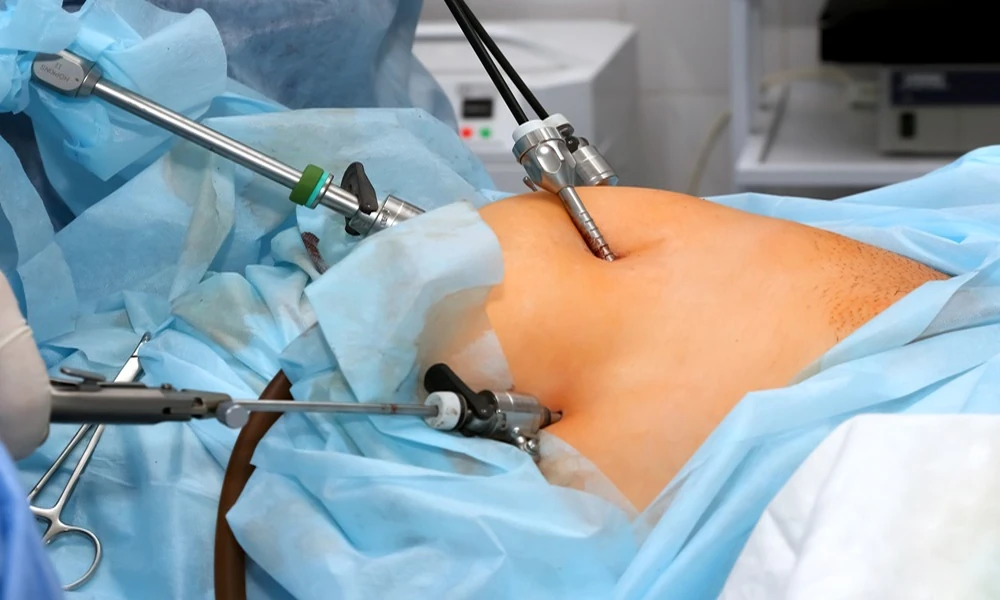
Obesity is a complex medical condition that often requires more than diet and exercise alone to manage effectively. While lifestyle changes remain an important first step, in certain cases, bariatric procedures are recommended to support meaningful and sustained results. These procedures are not limited to weight reduction; they can also help improve obesity-related health conditions and overall quality of life. For individuals in Texas exploring bariatric surgery, understanding the full scope of these benefits can make the decision more informed and reassuring. Let’s begin with the basics and take a closer look at what bariatric surgery involves.
A Brief Overview of Bariatric Surgery
Bariatric surgery, also known as weight loss or metabolic surgery, is a medically guided treatment for obesity that may be recommended when diet and exercise alone have not been effective or when there is a higher risk of obesity-related health complications. These procedures work by making changes to the digestive system, either by limiting how much food the stomach can hold or by altering how calories and nutrients are absorbed. They also influence hunger-related signals between the digestive system and the brain, helping support better appetite control and sustained weight management.
Bariatric surgery is not a quick fix and requires careful preparation along with long-term lifestyle changes to achieve the best outcomes. When considering bariatric surgery in Plano, TX, it is important to research and consult a qualified surgeon with experience in performing these procedures and guiding patients through both the surgical and post-operative journey.
With a clearer understanding of how bariatric surgery works, let’s now take a closer look at the key benefits it offers.
Improved Heart Health and Reduced Cardiovascular Risk
Obesity affects cardiovascular health through more than just excess weight. It is closely linked to conditions such as hypertension, elevated cholesterol, and arterial plaque buildup, all of which increase the risk of heart attack and stroke over time. These risks are further compounded by metabolic factors like insulin resistance and chronic inflammation.
When considering weight loss surgery in Plano, TX, patients are often informed about its role in reducing long-term cardiovascular risks. Following surgery, several key markers tend to improve:
- Lower blood pressure levels
- Healthier cholesterol profiles
- Improved blood sugar control
- Reduced inflammatory response
Together, these changes help ease the strain on the heart and support better vascular function. Over time, this can lead to improved circulation and a reduced likelihood of serious cardiac events, making bariatric surgery an important step toward protecting long-term heart health.
Significant Improvement in Type 2 Diabetes
Type 2 diabetes is largely driven by insulin resistance, a condition strongly associated with excess body weight and disrupted metabolic function. Over time, elevated blood glucose levels can lead to complications affecting the cardiovascular system, kidneys, nerves, and eyes, making effective management critical.
Bariatric surgery has been shown to improve glucose control by altering hormonal signals in the gut that regulate insulin activity. Procedures such as gastric bypass and sleeve gastrectomy increase hormones like GLP-1, which enhance insulin secretion and improve the body’s response to glucose. These changes often occur soon after surgery, even before significant weight loss is achieved.
- Improved insulin response
- Lower blood glucose levels
- Reduced reliance on medications
- Remission in some patients
These metabolic effects have led leading medical bodies to recognize bariatric surgery as an effective option for improving Type 2 diabetes, particularly in individuals who have not achieved adequate control through conventional treatment alone.
Relief from Obstructive Sleep Apnea
Obstructive sleep apnea (OSA) is a common condition in individuals with obesity, caused by repeated collapse of the upper airway during sleep. Excess fat deposits around the neck and throat can narrow the airway, leading to interrupted breathing, reduced oxygen levels, and fragmented sleep. Over time, untreated OSA is associated with risks such as hypertension, cardiovascular disease, and persistent daytime fatigue.
Bariatric surgery contributes to improvement in OSA by reducing the fat mass that affects airway structure and stability. As weight decreases, pressure on the upper airway is reduced, allowing for more consistent airflow during sleep.
- Fewer breathing interruptions
- Improved oxygen levels
- Better sleep quality
- Reduced daytime drowsiness
Clinical evidence shows that many patients experience significant improvement, and in some cases, resolution of sleep apnea following bariatric surgery, with reduced dependence on devices such as CPAP. These changes can support better overall health, improved energy levels, and enhanced daily functioning.
Reduced Joint Pain and Improved Mobility
Excess body weight places continuous stress on weight-bearing joints such as the knees, hips, and lower back, often leading to chronic pain and reduced mobility. Over time, this added pressure can accelerate joint degeneration and increase the risk of conditions like osteoarthritis.
Bariatric surgery supports meaningful weight reduction, which helps relieve this mechanical strain on the joints. As body weight decreases, patients often experience noticeable improvements in movement and physical comfort.
- Less pressure on joints
- Reduced pain during movement
- Improved flexibility
- Increased activity levels
These changes can make everyday tasks easier and support a more active lifestyle. Improved mobility also plays an important role in maintaining long-term health, as it enables patients to engage more consistently in physical activity after surgery.
Positive Impact on Mental and Emotional Well-Being
Obesity is associated with higher rates of depression, anxiety, and reduced self-esteem, influenced by both biological factors and everyday challenges such as limited mobility and social stigma. These factors can affect overall quality of life and make long-term health management more difficult.
Bariatric surgery has been linked to meaningful improvements in mental well-being, supported by both physiological and behavioral changes. Shifts in gut hormones that influence appetite and mood, along with improved physical health, can contribute to better emotional stability over time.
Long-term outcomes are closely tied to ongoing support after surgery. It is advisable to work with a reputable bariatric surgeon in Plano, TX who is known for providing structured aftercare, including nutritional guidance and behavioral support. This continuity helps patients adapt to lifestyle changes and maintain both physical and emotional progress.
Also Read: 7 Questions to Ask Your Doctor About Weight Loss Surgery
Conclusion
Bariatric surgery offers benefits that extend well beyond weight loss, supporting meaningful improvements in heart health, metabolic function, mobility, sleep quality, and overall well-being. When approached as part of a structured care plan, it can play a key role in managing obesity and its related conditions over the long term. If you are exploring weight loss surgery in Plano, TX, it is important to look for an established and experienced provider who offers comprehensive support, from initial evaluation to post-operative care. If you are looking for recommendations, consider DFW Bariatrics and General Surgery. The right team can help you understand your options, guide you through each stage of the process, and support you in building sustainable habits for long-term health outcomes.