

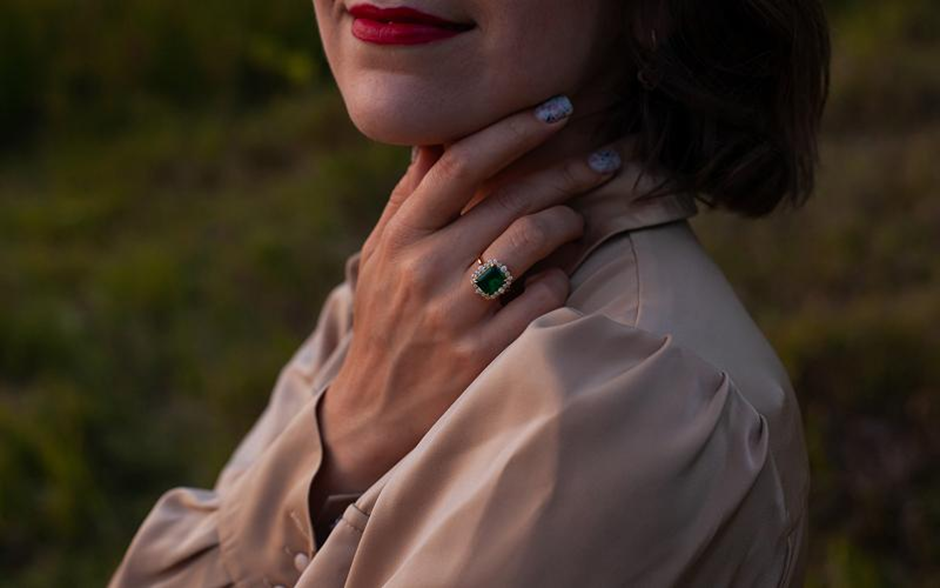
Jade has long held cultural and emotional value in Asia, especially in Singapore, where it symbolises luck, purity, and protection. Many collectors and shoppers continue seeking authentic jade jewellery for its elegance and meaning. However, the market sees frequent imitation stones and treated pieces sold as natural jade. Learning to recognise real jade ring characteristics prevents costly mistakes and ensures a genuine investment.
Jade in Singapore primarily comes in two types: jadeite and nephrite. Jadeite, prized for its brilliance and hardness, originates mainly from Myanmar, while nephrite appears more subdued and softer. Retailers may sell jadeite as imperial jade when it exhibits vibrant green tones with translucent quality. Knowing these differences helps buyers assess jewellery value accurately.
Singapore’s jewellery shops feature many jade pieces, from bangles to rings, yet not all pieces sold as jade meet genuine quality standards. Fake stones made from glass, serpentine, or dyed quartz often resemble real jade to the untrained eye. Understanding physical traits and testing methods offers a reliable way to confirm authenticity before purchase.
Assessing Colour, Texture, and Transparency
Colour remains the first indicator of a jade ring’s authenticity. Genuine jade in Singapore exhibits an even colour distribution and natural depth. While the most desirable colour is bright emerald green, authentic jade also appears in lavender, white, or yellowish shades. Fake jade often shows unnaturally bright hues or uneven patterns caused by artificial dyes. Examining colour under natural lighting helps reveal inconsistencies or surface stains.
Texture reveals further authenticity clues. Real jade feels smooth but not slippery, with a cool and dense sensation when held. The surface often displays fibrous or granular interlocking patterns under magnification, distinguishing natural stone structure from synthetic ones. Fake jade, on the other hand, tends to look too perfect, lacking the minute irregularities and fine inclusions present in authentic pieces.
Transparency varies across different types. High-quality jadeite typically allows light to pass through without complete clarity, creating a soft glow effect. Excessive transparency or cloudiness suggests possible chemical treatment or imitation material. Shoppers evaluating jade rings should request bright lighting to observe light diffusion through the stone’s body before purchasing.
Conducting Simple Authenticity Tests
Several basic tests help buyers verify genuine jade without specialised equipment. First, the temperature test remains effective. Real jade stays cool even after prolonged handling, while fake jade warms quickly. Rubbing the stone gently against the skin helps determine thermal consistency.
Next, the sound test offers another quick assessment. When tapped gently against another jade piece, genuine jade produces a deep, resonant sound. In contrast, fake jade generates a dull or plastic-like noise. Retailers may allow customers to perform this under supervision.
Magnification through a jeweller’s loupe also assists in spotting dyed or treated jade. Genuine jade displays natural fibrous structures with fine mineral grains, while treated ones often show dye concentrations along cracks or grain boundaries. Some fake jade even has bubble-like inclusions typical of glass material.
Singapore buyers should also request documentation from sellers. Authentic jade rings often come with certification verifying gemstone type and treatment status. Certificates from recognised gemological institutions offer assurance of authenticity and transparency. While these tests serve as preliminary checks, combining visual inspection with professional evaluation ensures accuracy.
Seeking Professional Appraisal and Trusted Sellers
Even with careful inspection, verifying jade authenticity often requires professional expertise. Certified gemologists and established jewellers in Singapore can assess chemical composition and treatment history using advanced tools. Laboratory testing identifies whether a jade ring has undergone polymer impregnation or dye treatment, which reduces natural value.
Reputable sellers maintain transparency by providing detailed product descriptions and certificates. Buyers should prioritise shops that openly disclose jade origin, classification, and any enhancements. Asking specific questions about stone quality and maintenance shows awareness and discourages deceptive sales practices.
Professional appraisal services also determine fair pricing. Genuine jade in Singapore, especially untreated jadeite, commands significantly higher prices compared to treated or imitation pieces. Independent verification protects buyers from overpaying or purchasing counterfeit jewellery.
Ultimately, combining knowledge, observation, and expert verification allows shoppers to make confident purchasing decisions. Buying authentic jade involves more than visual appeal; it reflects cultural appreciation and long-term value preservation.
Final Thoughts
Recognising genuine jade requires keen observation and informed judgment. Understanding differences in colour, texture, transparency, and sound helps identify authenticity effectively. Relying on certification and expert evaluation further secures confidence in every purchase.
Contact Gen.K Jewelry for authentic and expertly crafted jade in Singapore. Discover elegant jade rings tested for quality and authenticity, ensuring timeless beauty for years to come.