


Skipping required steps in a respiratory protection program may seem like a time-saving measure for the organization, however it is often the most costly decision the workplace will make. Here is what the cost of skipping clearance and record keeping really means—and how to fix it very quickly.
OSHA Penalties Explained
OSHA’s respiratory protection standard expects employers to medically evaluate workers, select the appropriate respirator, perform fit testing, and document this information. Each task that is omitted or delayed can have a citation. Violations and penalties stack based on, per employee, per violation, and each compounded citation rises sharply over time. Visit this link for additional information.
- Citations could address missing medical evaluations, missing fit testing, inadequate training, or documents related to a written respiratory protection program.
- It’s all from adding “per day” and “per worker” violations, especially for follow-up inspections.
- Failing on record keeping, such as not ensuring fit testing records were completed, generates a separate compounding citation.
- Abatement periods allow for an accumulation of costs that don’t include paying for the employee (until the violation is corrected) and documented for OSHA to inspect.
Risks to Employee Health
When a worker does not have screening to confirm a basic fit test, they may potentially be breathing hazards, believing they are protected from the hazard. A respirator that is not fitted correctly will leak, but certain health conditions would also limit some individuals from wearing specific models of respirators.
This is where respirator medical clearance is most important: identifying possible limitations associated with wearing the assigned respirator, while verifying that the worker can wear it safely. Without the clearance, the risk of dizziness, stamina limitations, eye irritation, airway irritation, and the potential for long-term issues with lung health is increased. Dust generated by cutting or sanding, bioaerosols in healthcare, and wildfire smoke for outdoor work all require a proper measure of protection.
If protection fails, injury reporting, workers’ compensation, and reported lost time will follow—costs far greater than the expense of appropriately doing clearance and fit testing.
Impact on Insurance and Liability
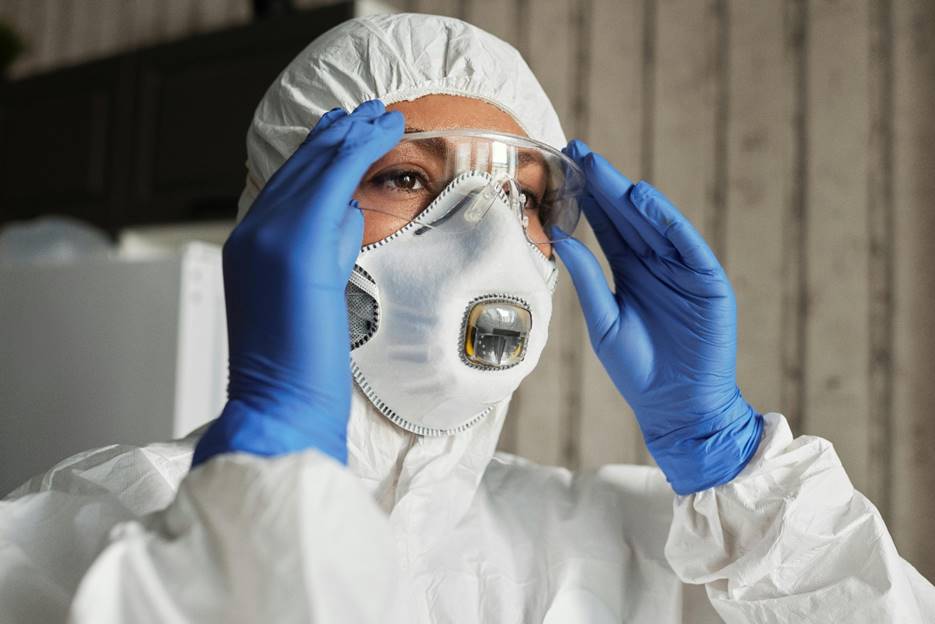
Insurance companies and clients expect compliant documentation. When accidents happen, claims reviewers will ask for documentation of evaluations, fit tests, and training—if documentation is missing, they will shift from the discussion of “covered event” to covered by “avoidable lapse.”
- Workers’ compensation claims may be denied, or disputed, if a medical evaluation questionnaire (MEQ – https://ehs.yale.edu/sites/default/files/files/respirator-medical-questionnaire.pdf) is not provided for an employee with respiratory illness, or if fit test documentation is not provided.
- General liability carriers cite policy conditions requiring adherence to safety standards.
- Contractual partners may suspend the work or delay payment without documentation of clearance for respiratory work.
Examples of Violations
A contractor sends crews to work equipped with filtering facepiece respirators but never conducts fit testing; an OSHA inspector cites the employer and adds multiple violations for lack of training and lack of assessment for change-out schedules. A clinic outfitted each room with elastomeric (non-disposable) half-mask respirators, but has no written program, and does not retain any records; the inspector uses this as an additional violation for each missing record.
A warehouse allows employees to use filtering facepiece respirators on a “voluntary” basis to mitigate smoky days but do not provide the employee information in Appendix D; the inspector cites the absence of Appendix D information, stating it is required even if using respirators is considered voluntary. There are common threads in these examples: you must match duty’s requirement of documentation and practice; even weeks of exposure by employees are still treated as requiring the same discipline.
How to Correct Mistakes
The quickest path to correct course of action is to stop, standardize, and document. The organization should identify a program administrator, assign roles, and use tools to close potential gaps as quickly as possible. An online platform for respirator clearance can help centralize each step, facilitate timely reminders, and keep proof readily available on the practitioner.
- Move directly to implement medical evaluations, and route work results through a HIPAA-aware process; get volume done for each occupied position, but uptake the assessments for the highest-risk, activity-driven positions first.
- Continue to schedule fit tests and create, change, or update the written program in response; and turn on digital tracking for fit-testing and maintain timestamps on each.
- Centralize the files indexed for ease of access when needed—medical evaluation questionnaires, training signoffs, and equipment assignments—so an auditor can clearly follow the trail.
- Train supervisors to recognize something changed (new work, facial hair, filtering facepiece model) and re-evaluate the need for protection.
- Always retain a simple audit checklist so that future employees never start work without documented clearance.
To correct the deficiencies well, not only will there be a more positive safety culture, less friction for claims, but also future audits will be smoother: a HIPAA compliant online portal, dedicated tracking, and a living respiratory protection program is evidence of control—not just compliance. Finally, select tools that have reminders, dashboards, and that integrate work, so actions don’t get lost between departments.