

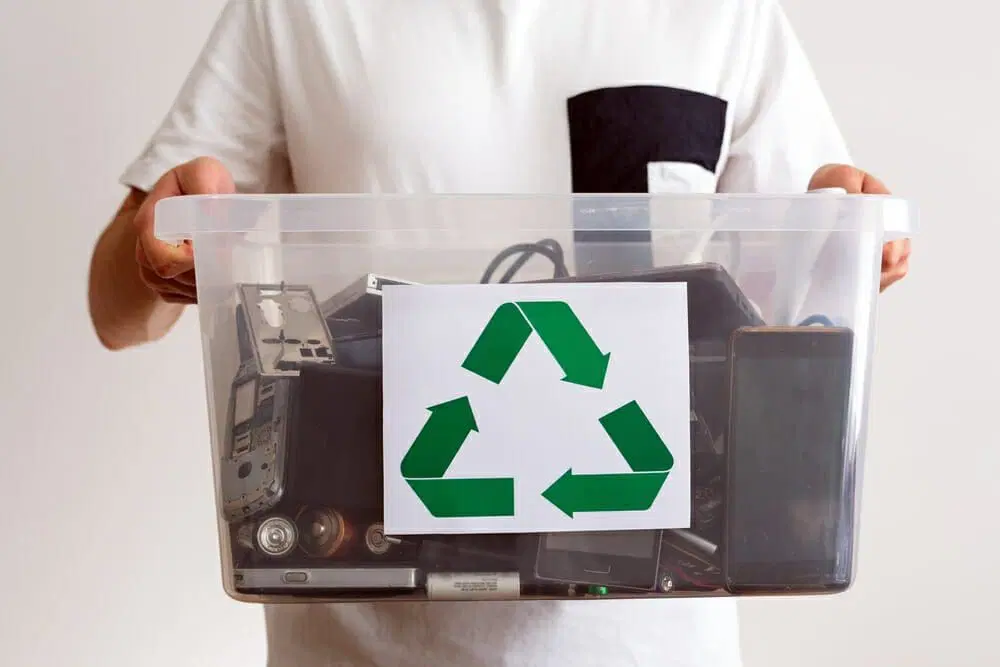
The modern world runs on electronic devices, and as technology advances at breakneck speed, the need to ewaste recycle has become one of the most pressing environmental challenges of our time. Every year, humanity generates millions of tonnes of discarded phones, laptops, televisions, and countless other gadgets, creating a growing mountain of toxic materials that threaten both human health and the natural world. Yet for all the urgency of this crisis, the solution lies not in some distant technological breakthrough but in the everyday choices we make about how we consume, dispose of, and think about our electronic possessions.
Singapore, despite its reputation for efficiency and environmental consciousness, faces a sobering reality when it comes to electronic waste. The city-state generates approximately 60,000 tonnes of e-waste annually, a figure that continues to climb as disposable income rises and the latest devices become ever more irresistible. What makes this particularly troubling is that historically, only about 6% of this waste has been recycled, though recent initiatives have begun to improve these numbers. The rest ends up in landfills or incinerators, where valuable materials are lost forever and harmful substances can leach into the environment.
Understanding What Makes E-Waste Different
Electronic waste is not simply rubbish. Hidden within the sleek casings of our devices lies a complex mixture of valuable and dangerous materials. Circuit boards contain precious metals like gold, silver, and copper. Screens harbour lead and mercury. Batteries house lithium and cadmium. When these materials are improperly disposed of, they can contaminate soil and water supplies, posing risks to both ecosystems and human communities. The challenge of how to ewaste recycle effectively stems from this very complexity.
Consider the humble mobile phone. A single device might contain more than 40 different elements, some rare, some toxic, many of both. Extracting these materials requires mining operations that scar landscapes and consume enormous amounts of energy. Yet when we toss an old phone into the bin, we are effectively throwing away all those resources, forcing the cycle of extraction to begin anew. It is a peculiarly modern form of waste, one that our grandparents never had to contemplate.
Simple Steps Anyone Can Take
The good news, if there is any in this rather grim accounting, is that individuals can make a meaningful difference. To ewaste recycle properly requires neither special expertise nor significant effort, merely awareness and a modest commitment to changing one’s habits:
Extend device lifespan
The most effective form of recycling is not recycling at all but rather using devices longer. Resist the siren call of annual upgrades. Repair rather than replace when possible. A phone that lasts four years instead of two immediately cuts your e-waste generation in half.
Use designated collection points
Singapore has established numerous e-waste recycling bins at community centres, retail locations, and public facilities. These bins accept small electronic items and ensure they reach proper recycling facilities rather than landfills.
Participate in take-back programmes
Many retailers and manufacturers now operate take-back schemes where old devices can be returned when purchasing new ones. This is part of Singapore’s Extended Producer Responsibility system, which holds manufacturers accountable for the entire lifecycle of their products.
Donate working devices
Electronics that still function can find second lives through charitable organisations or online marketplaces. One person’s outdated laptop might be another’s crucial tool for education or work.
Delete personal data
Before recycling any device, ensure all personal information is thoroughly removed. Factory resets and data-wiping software can protect your privacy whilst allowing devices to be refurbished or recycled safely.
The Broader Picture
Individual action, crucial as it is, cannot solve this problem alone. Singapore’s government has recognised this reality, implementing the Resource Sustainability Act in 2021, which introduced an Extended Producer Responsibility scheme for e-waste. Under this system, producers of electrical and electronic equipment must fund the collection and proper treatment of their products at end-of-life. This represents a fundamental shift in thinking about who bears responsibility for waste.
The scheme has already shown results, with collection rates improving and public awareness growing. Yet the scale of the challenge remains immense. As the Internet of Things expands, as artificial intelligence demands ever more powerful processors, as each household accumulates dozens of connected devices, the volume of e-waste will only increase. To truly ewaste recycle at the necessary scale will require not just better infrastructure but a fundamental rethinking of how we design, manufacture, and value electronic goods.
Taking Responsibility for Our Digital Footprint
The story of electronic waste is, in the end, a story about consequences. Every device we purchase, every upgrade we pursue, every gadget we discard carries implications that ripple outward, touching distant mines, polluting faraway rivers, shaping the world our children will inherit. This is not to say we must abandon technology or return to some imagined simpler past. Rather, it is to recognise that our choices matter, that the convenience of modern life comes with responsibilities we cannot ignore. The question is not whether we will continue using electronic devices but whether we will do so thoughtfully, extending their lives, recovering their materials, and ensuring that when they finally reach the end of their usefulness, we properly ewaste recycle every component we can.